

JournalBlogConstruction2 min read
Building through the wet season
From roughly November to March, afternoon storms shape every site on the island. A good schedule works with the rain instead of pretending it will not come.
Anyone who has spent a January in Bali knows the pattern. Mornings are often bright, clouds gather after lunch, and by mid afternoon the rain arrives hard enough to turn a building site into a shallow lake. Construction continues through the wet season. It simply changes what can be done, and when.
Planning the sequence
The single most useful decision is to time the work so the building is closed in before the heaviest months. Excavation, foundations and the main structure all benefit from dry ground and settled weather. If a project starts in April or May, there is a good chance the roof will be on before November, and interior work can carry on under cover while the storms pass outside.
When the timing does not allow that, the schedule should say so honestly, with buffer days built in for rain instead of an optimistic finish date that everyone privately expects to slip.
Concrete and rain
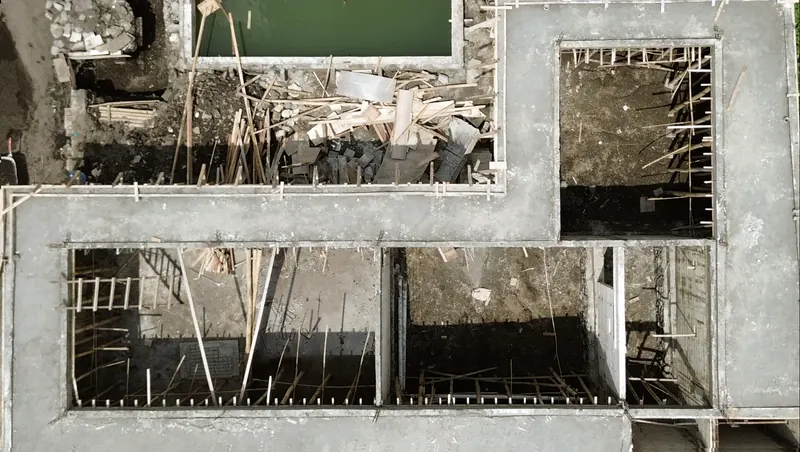
Fresh concrete needs protection. A downpour on a slab poured an hour earlier can wash cement from the surface and weaken it. On wet season sites we pour in the morning and keep covers ready beside the slab. Curing, on the other hand, actually benefits from humidity, as long as standing water is drained away.
Water on site
Drainage is easier to plan than to improvise. Temporary channels and a settling pit protect the excavation and the neighbours from runoff. Cement and timber need raised, covered storage, because a single wet night can ruin a delivery that took a week to arrive.
The wet season is the most honest inspector a building will ever have.
What the rain reveals
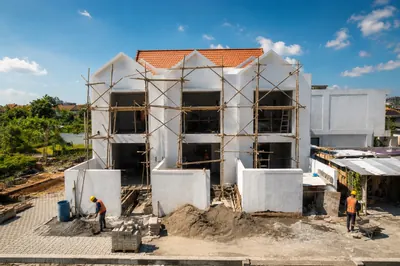
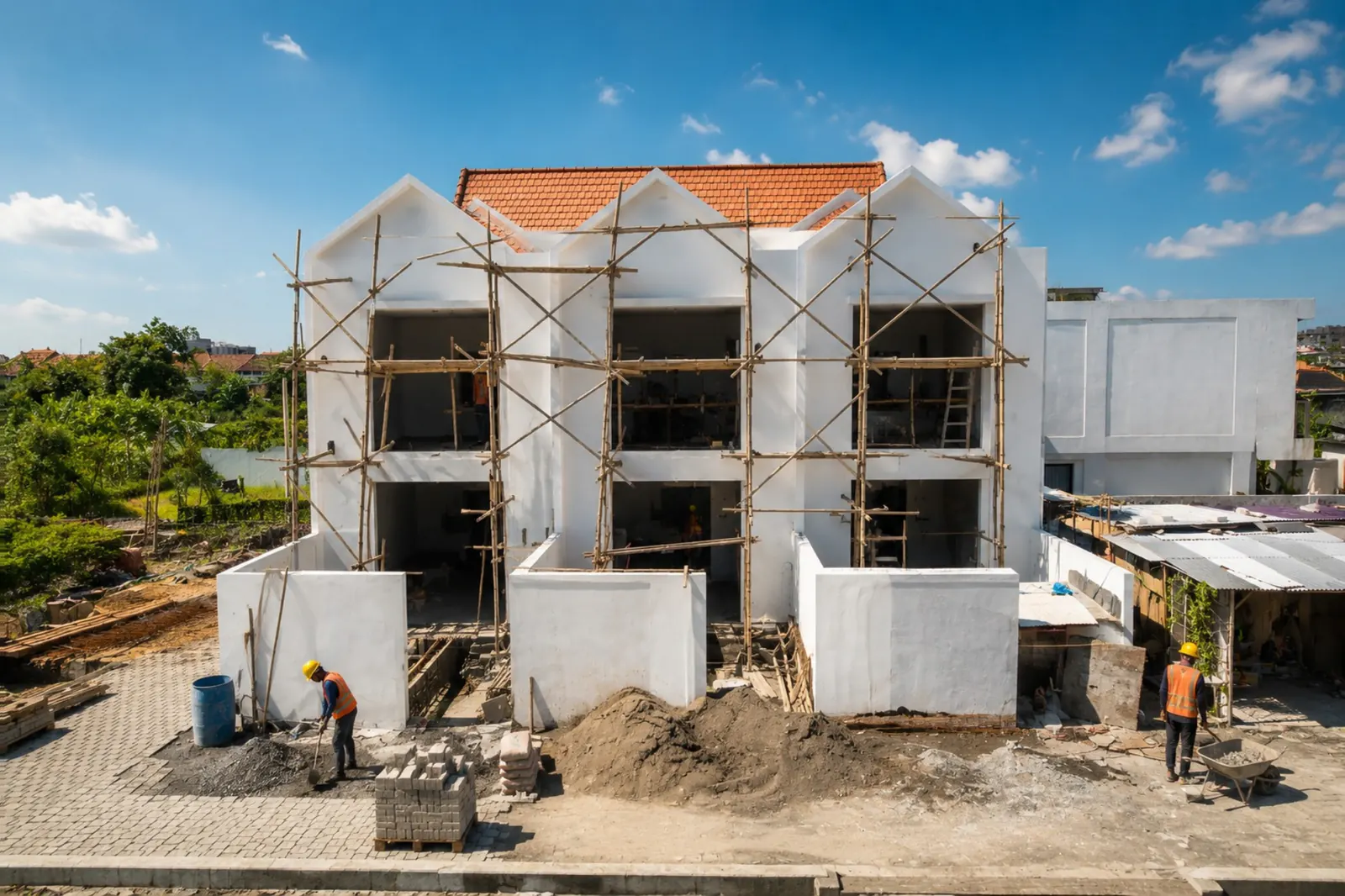
Roofs, gutters, window seals and balcony falls are all tested within weeks of the first storms. We use that moment deliberately, checking for leaks while scaffolding is still in place and repairs are simple. A problem found in December with the scaffold up costs a fraction of the same problem found in March after the ceilings are painted.
For owners abroad
If you are following your build from overseas, expect progress reports in the wet months to look slower. That is normal. What matters is that the reports explain the delays clearly and show how the schedule has been adjusted, so a rainy January does not become a surprise in June.
BODE Construction plans every schedule around the island's seasons from the first draft. If you are deciding when to start, talk to us before the land is cleared. The construction team is at BODE Construction.